WordPress Development in Auckland
Services / Wordpress Development
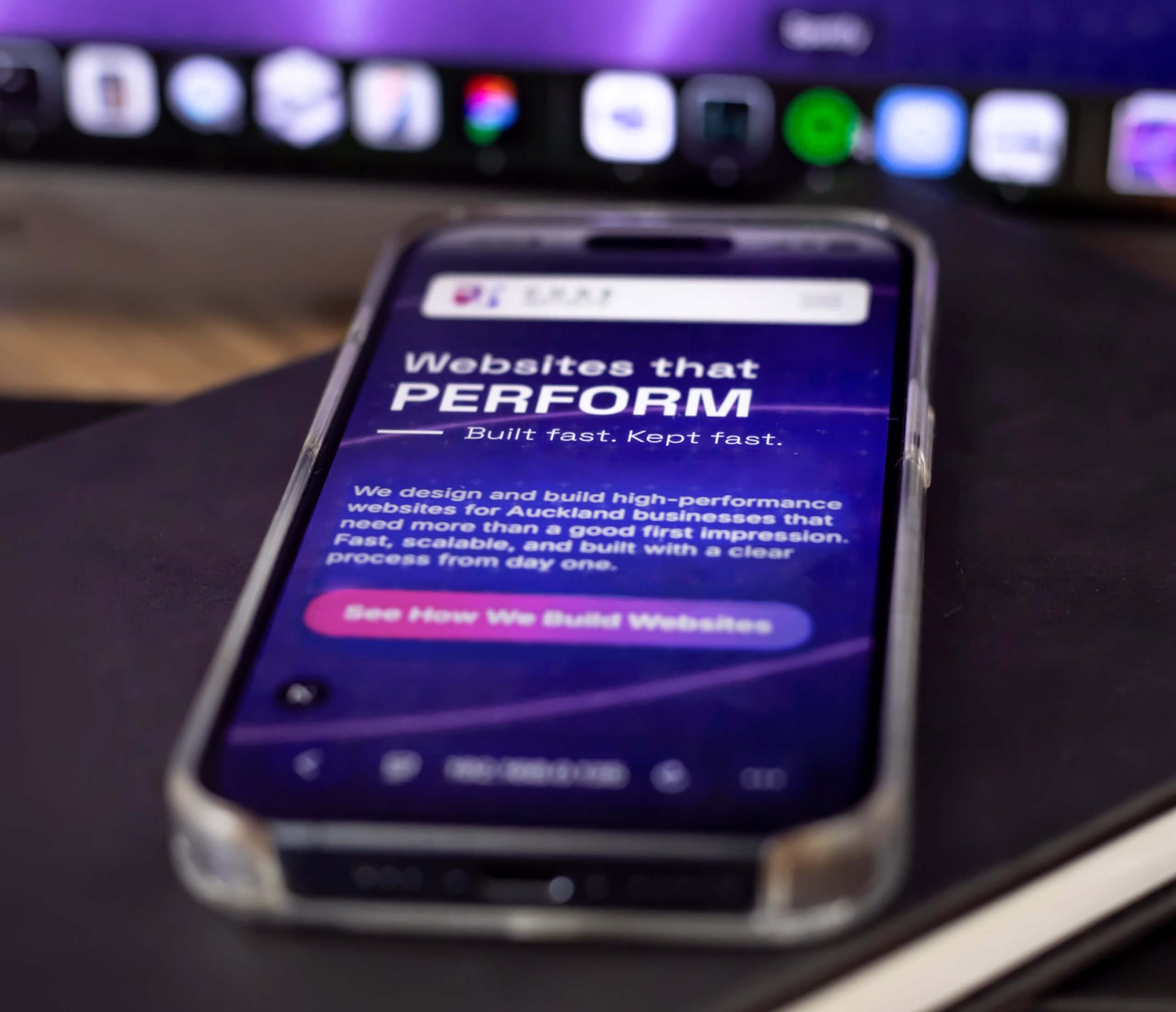
We build custom WordPress websites for Auckland businesses that need more than a basic theme setup. The focus is on clean implementation, scalability, clear user journeys, user-friendly layouts, and a backend that is practical to manage after launch.
For a typical brochure-style project, our Website Standard package starts around $10–12k NZD for up to 10 pages over roughly 8–12 weeks, including basic SEO setup and tracking. Managed hosting and support plans start from $50/month, with higher tiers available for businesses that need ongoing support time each month.
If you already know WordPress is the right fit, this page will help you assess what a custom build can include, what kind of projects it suits, and what the next step looks like. Otherwise, you can check out our general web design and development service page for a broader view of platform options and how we can help.
What Makes Our
WordPress Solutions Different
For many businesses, the issue is not whether WordPress can work. It is whether the site is built in a way that stays fast, maintainable, and commercially useful after launch.
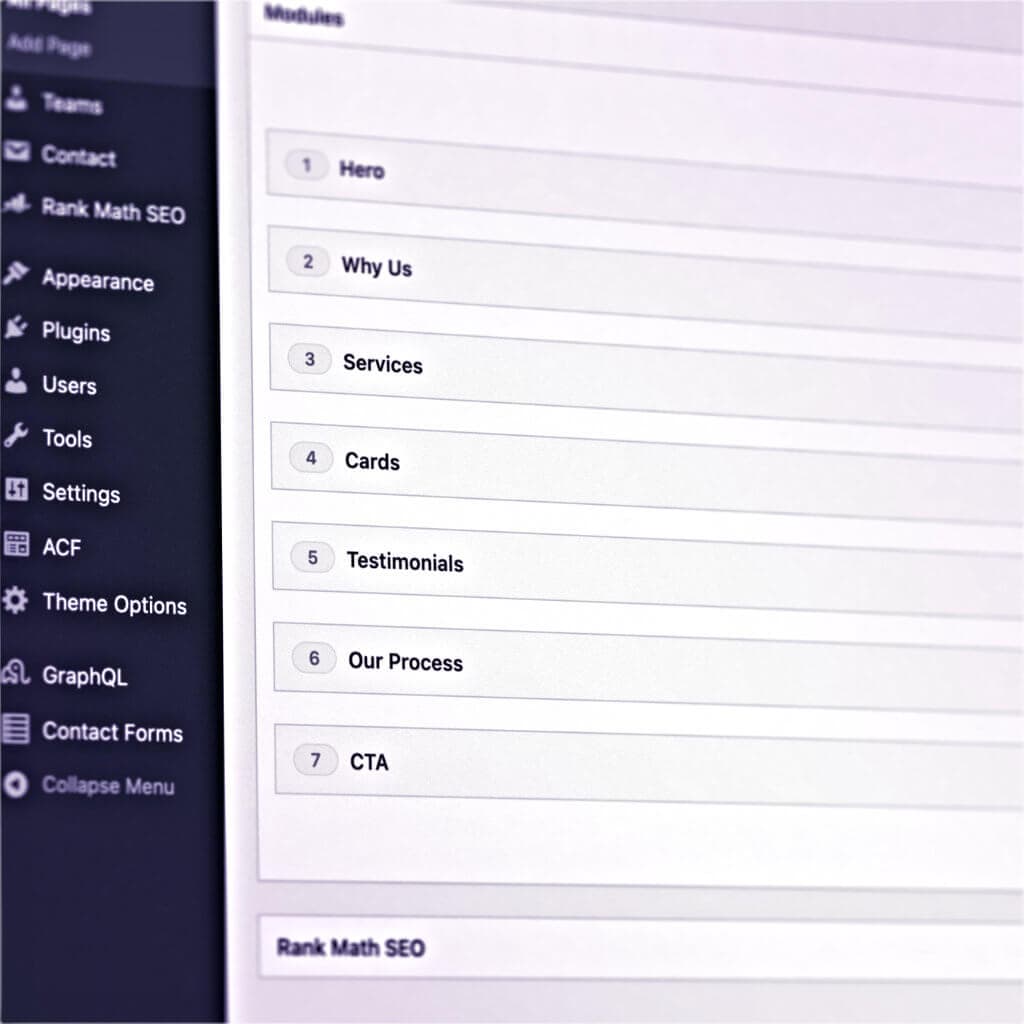
Our approach combines a trusted content management system foundation with a stronger technical layer from the start. That means thinking about performance, tracking, integrations, user journeys, and search visibility early, rather than trying to bolt them on once the site is already live.
Where the project calls for it, we can also use a modern headless setup to deliver a faster front end than a typical WordPress build. That can create a better user experience and support the overall technical quality of the site, which can also support technical search engine optimisation when the build is implemented well. It is not the default answer for every business, but it is a strong option where speed, performance, and frontend flexibility matter enough to justify it.
Just as importantly, delivery is shaped around practical QA. Before launch, we focus on the things that tend to matter most in the real world: responsive mobile layouts, plugins, browser consistency, form behaviour, tracking setup, and whether the main user journey works cleanly from first visit through to enquiry.
What We Do
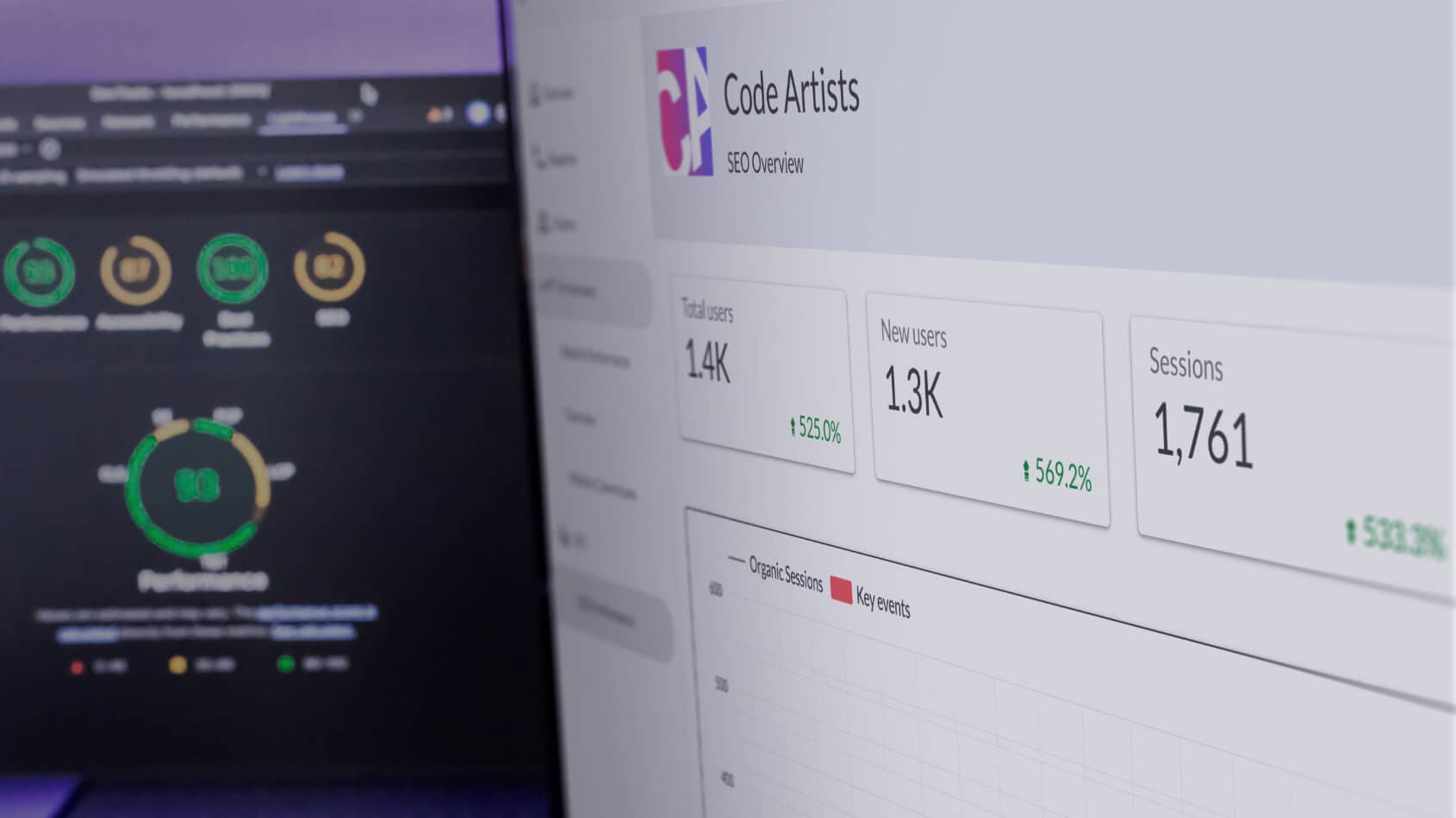
We focus on custom WordPress builds for businesses that want a cleaner long-term setup than a patched-together theme build. In practice, that usually means building properly from the ground up, using only the functionality the project actually needs and planning for performance, tracking, integrations, and technical SEO from the beginning.
Custom WordPress Website Builds
We build brochure-style and service-led websites for businesses that need to be present online and a clear path from first visit to enquiry. That includes custom page templates, mobile-friendly layouts, structured service pages, and practical contact flows.
This is often the right fit for businesses launching a new site, replacing an outdated one, or moving away from a setup that no longer reflects the quality of the business.
What Our Clients Say
★★★★★
"Serge did a great job with setting up a product webpage for me & was always happy to make adjustments until we got the perfect end result. Highly recommend!"
Selected WordPress Projects
The examples below show the type of WordPress work we do in practice, including brochure websites, rebuilds, and more tailored projects with operational or lead-generation requirements. More importantly, they show the business problems the website needed to solve, not just the features that were built.
Auckland Law Firm Website Launch
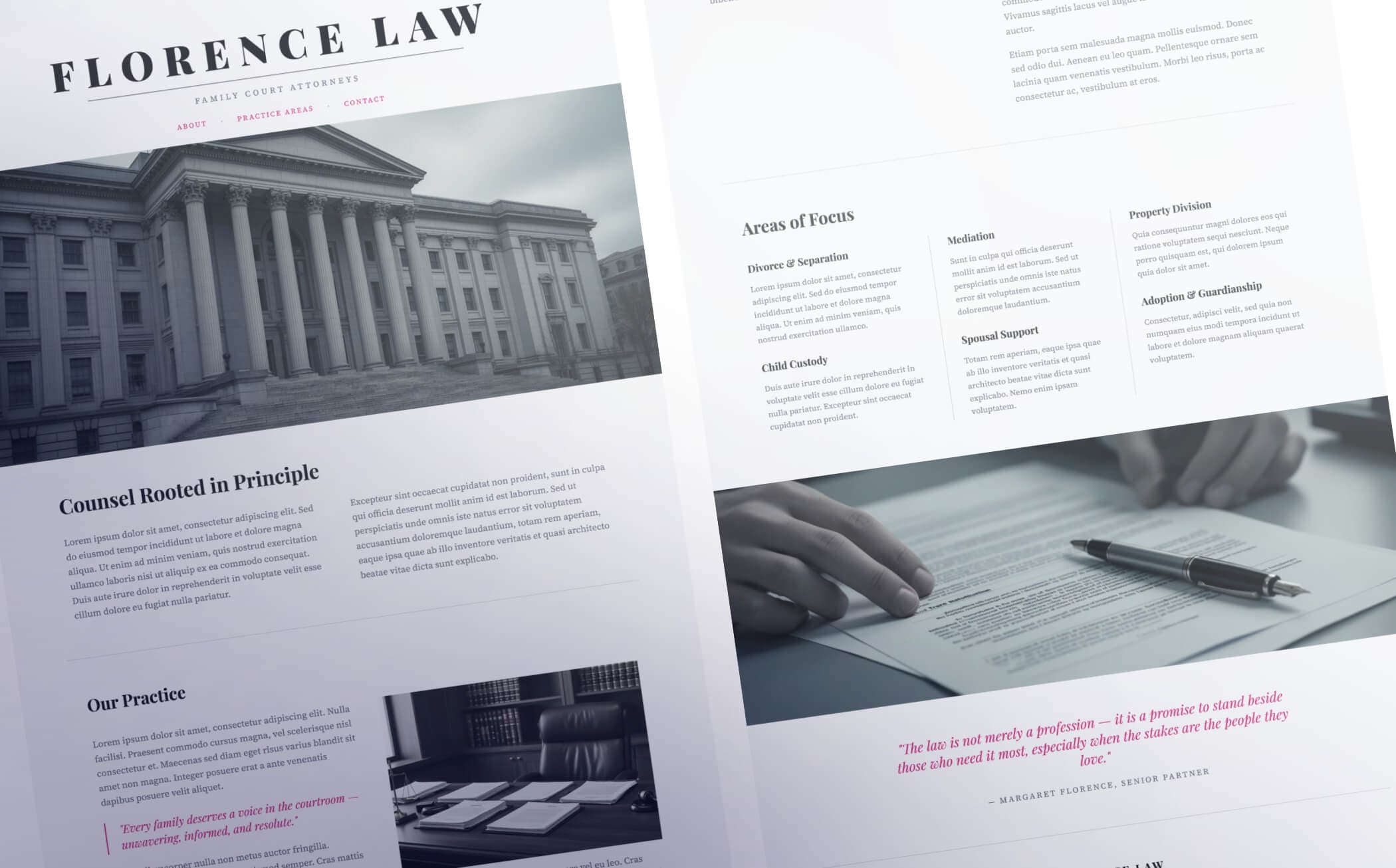
A small law firm needed its first proper website. The business was already getting work through referrals, but there was no credible online destination for referred clients to visit, learn about the firm, and make contact.
The project involved building a brochure-style WordPress website from the ground up, including a custom theme, custom templates, desktop and mobile implementation, and a clear page flow from homepage to services to contact. A basic enquiry form was also set up and connected to the firm’s inbox.
The main value of the project was not complexity. It was credibility. The finished website gave the firm a professional online presence they could point people to with confidence, made it easier for referred clients to understand the business before getting in touch, and created a clean structure the firm could continue building on over time.
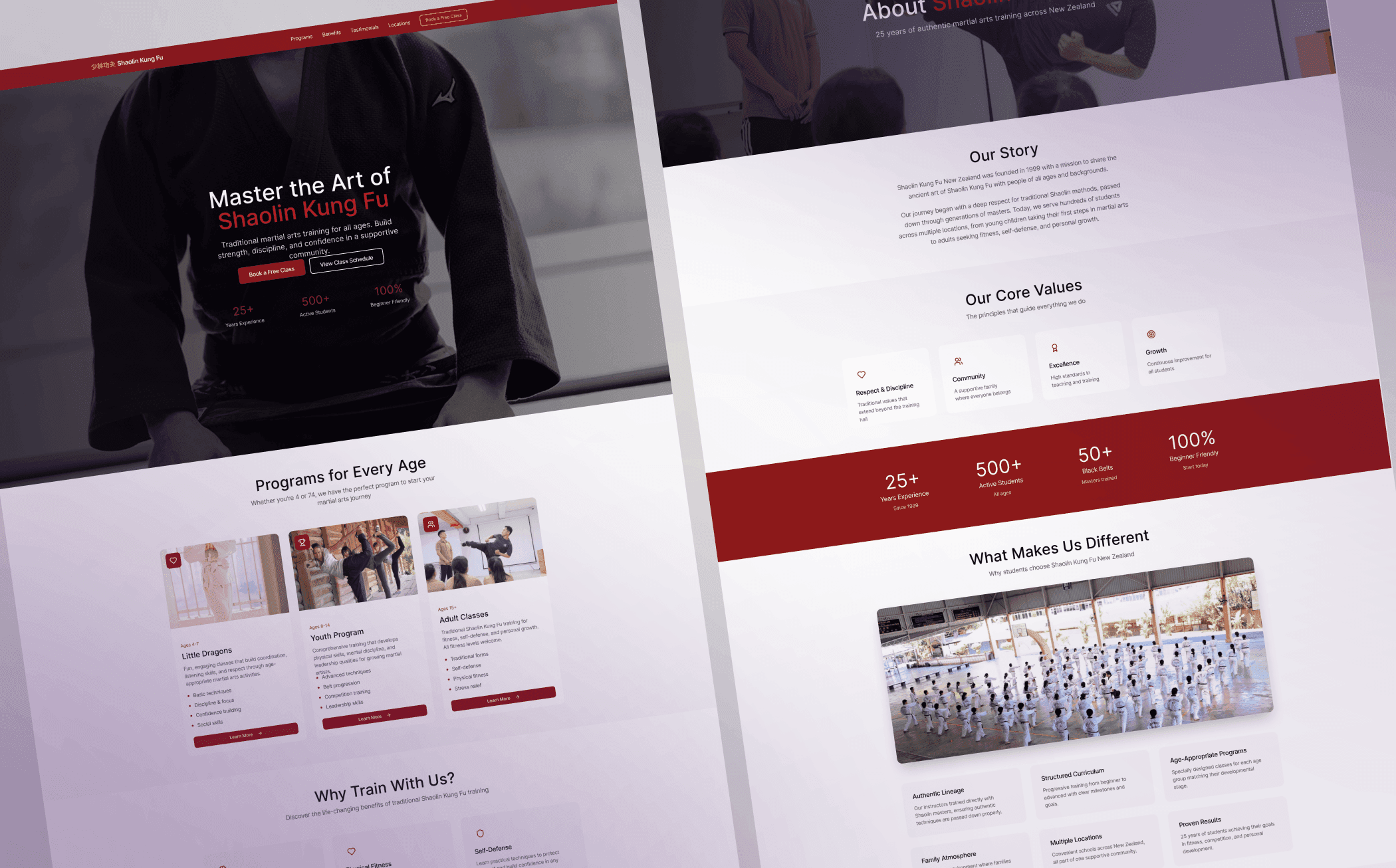
Multi-Location Martial Arts School Website Rebuild
This project involved a multi-location martial arts school network operating across New Zealand, with a strong Auckland presence. The old website created too much admin overhead because content updates had to be handled centrally, which made the setup slow, inefficient, and difficult to scale across multiple schools.
The rebuild included a WordPress theme built specificaly for your needs and templates developed from scratch, mobile implementation, a custom membership area, role-based permissions for different schools and user types, forms and application flows, and admin training materials embedded within the backend.
The key outcome was operational, not just visual. Instead of one central point handling ongoing changes by email, the rebuilt setup gave individual schools more control over their own content, reduced admin bottlenecks, and created a structure that was far easier to manage across a larger network. It also improved the public-facing website experience and supported a clearer admin handover.
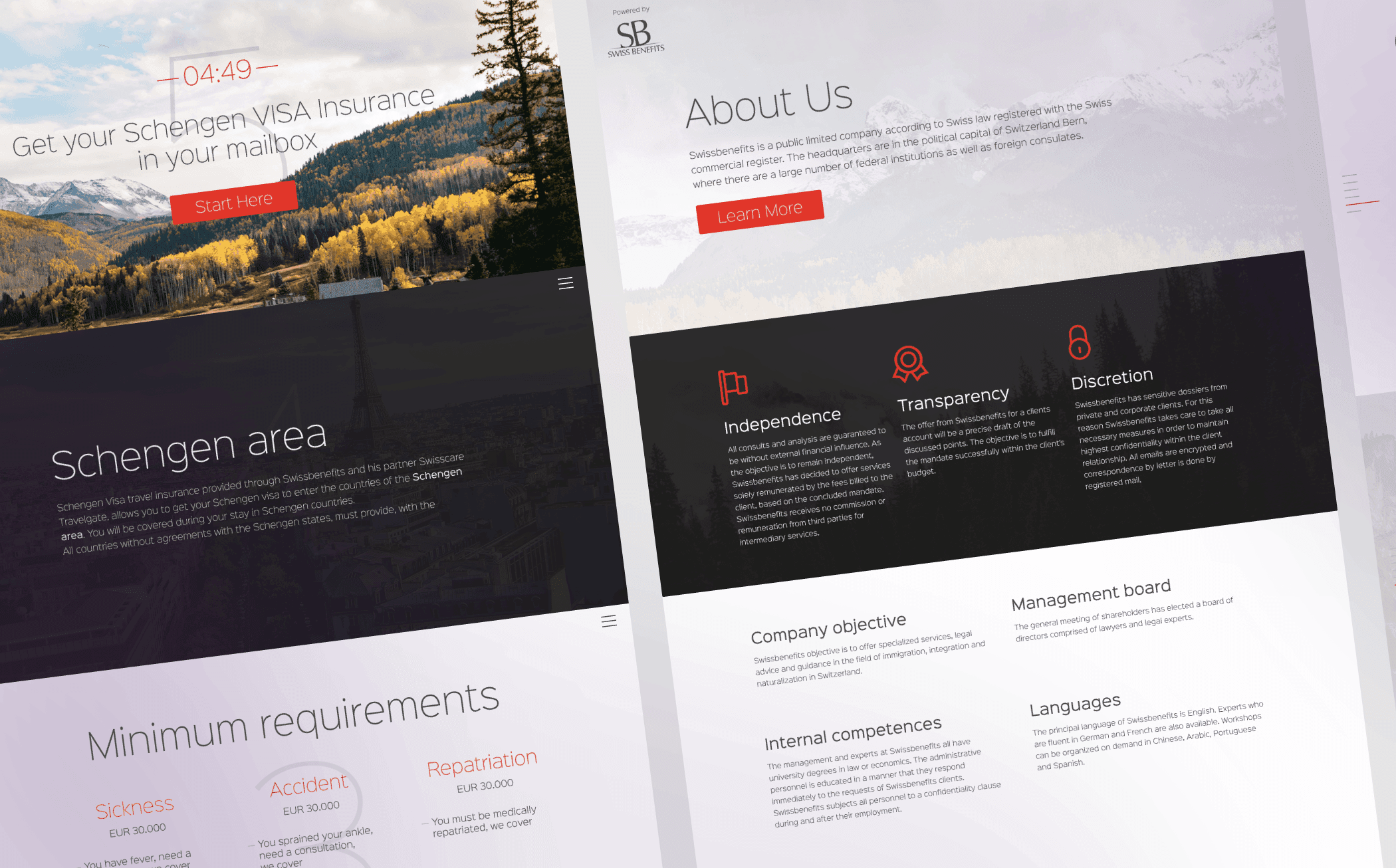
Multilingual Travel Insurance Website Rebuild
For a broker-style travel insurance business serving Schengen visa applicants, the old website looked outdated, felt less trustworthy than it needed to, and made the purchase or enquiry journey less clear. The business also needed the site to better support a multilingual audience and feed leads into the CRM properly.
The work involved a full redesign and full WordPress rebuild, theme built from scratch based on the supplied designs, multilingual structure, forms setup, analytics and tracking configuration, and a CRM-connected enquiry flow.
The improvement here was both commercial and practical. The rebuilt site presented the business more professionally, made the user journey easier to follow, improved the mobile experience, and gave the team a backend better aligned with lead-generation needs. Just as importantly, leads were tracking properly into the CRM, which made the website more useful as a business tool rather than simply a nicer-looking front end.
Ongoing Support and Maintenance
Once a site is live, we offer managed support through hosting plans that cover essentials such as hosting, backups, and updates. Plans start from $50/month for hosting-focused support, with higher tiers available for businesses that need ongoing changes, troubleshooting, or support time each month.
If you are coming to us with an existing website, we start with a discovery session. That lets us understand the current stack before recommending the best support path. In some cases, ongoing support can continue on the existing setup. In others, a more structured improvement plan or rebuild may make more sense before we can confidently support it long term.
What a Typical Project Looks Like
A typical project starts with an enquiry and an initial discussion about goals, scope, budget, and timeline. From there, we define the proposed deliverables, agree the project scope, and move into onboarding once the project is approved.
For a standard brochure-style website, the build usually includes planning the core user journey, implementing the required templates, setting up forms and tracking, covering the main technical SEO basics, testing the site across devices, and preparing the backend for handover. Handover usually includes a recorded training session, and where useful, Loom-style how-to videos can also be embedded into the admin area for day-to-day reference. For a standard 10-page website, a realistic timeframe is around 8–12 weeks from sale to launch, depending on approvals, content readiness, and project complexity.
Is This the Right Fit?
This service is a strong fit for businesses that want:
- Tailored WordPress website rather than a heavily modified off-the-shelf theme
- Clearer and more professional online presence
- Rebuild of an outdated or hard-to-manage website
- Unique templates, forms, workflows, or role-based functionality built to your needs
- Practical long-term setup with support available after launch
Every project is different, which is why we start with discovery rather than assumptions. Whether you need a new build, improvements to an existing website, or ongoing support, the first step is understanding the current setup and recommending the approach we can confidently stand behind.
Frequently Asked Questions
Will we be able to update the website ourselves after launch?
Can you rebuild an existing WordPress site instead of patching it?
What support do you provide after launch?
Can you connect WordPress with our CRM, forms, tracking, inventory management, or automations?
When does a headless WordPress setup make sense?
Get Started with
Your Project
If you are planning a new website, replacing an outdated one, or need a more maintainable WordPress setup, we can help you scope the right approach.
The first step is an enquiry and discovery call. From there, we can review your goals, define the likely scope, and confirm whether the project is a good fit for a WordPress build.
If you are looking for expert WordPress developers, get in touch, and we will help you map out the project.